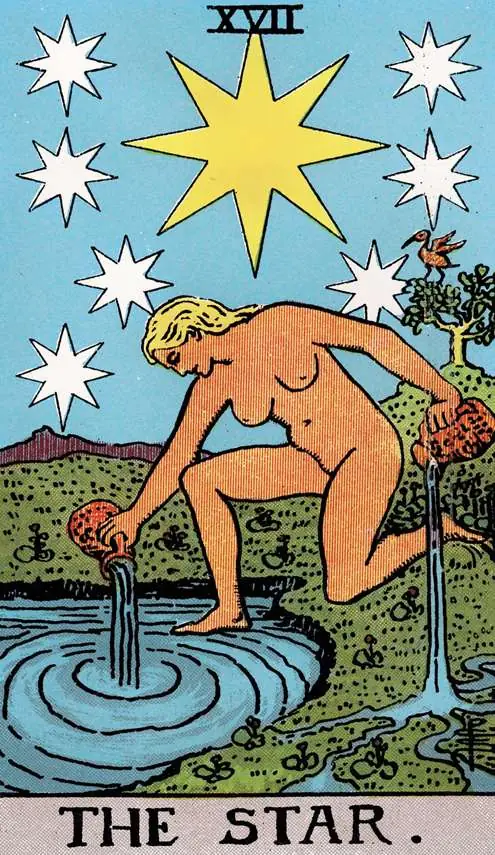
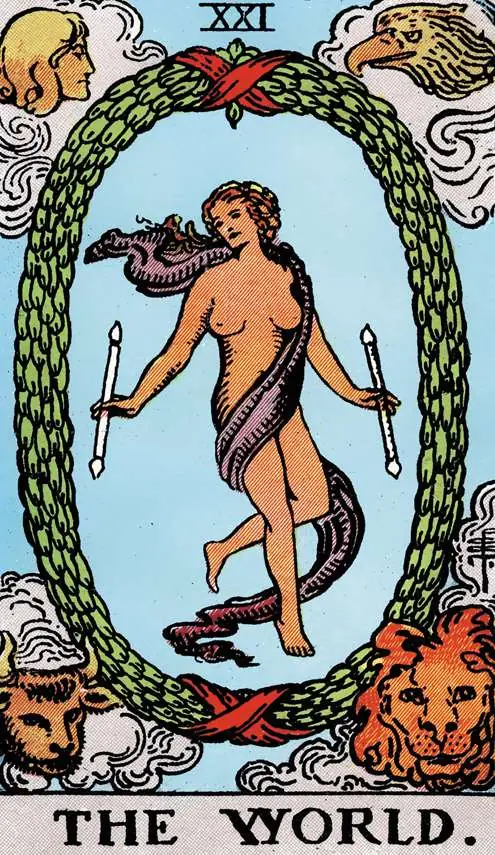
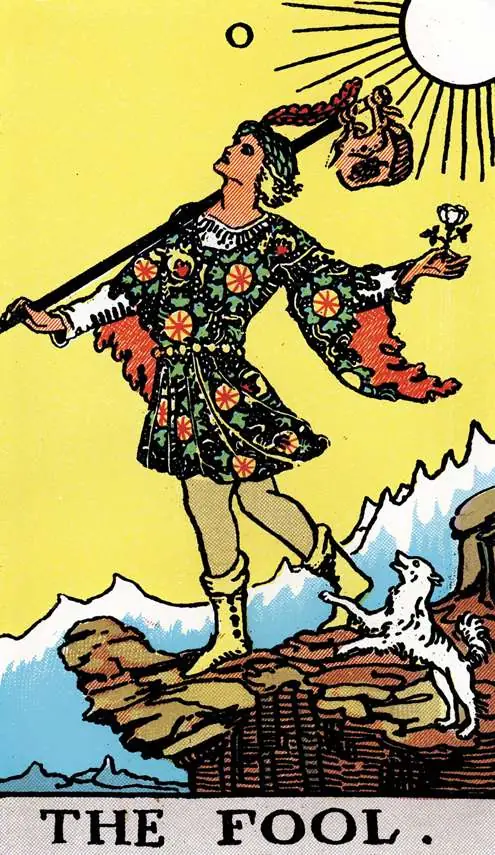
Reading tarot is less about memorising 78 definitions and more about learning to tell a story with the cards in front of you. This guide walks you through the basics so you can do your first reading with confidence.
1. Get to know the deck
A tarot deck has 78 cards split into two groups:
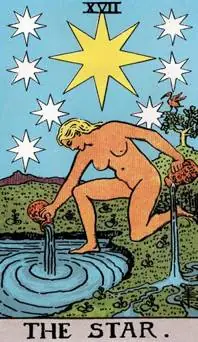
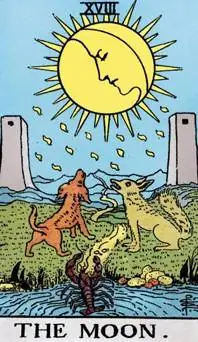
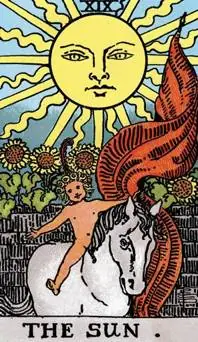
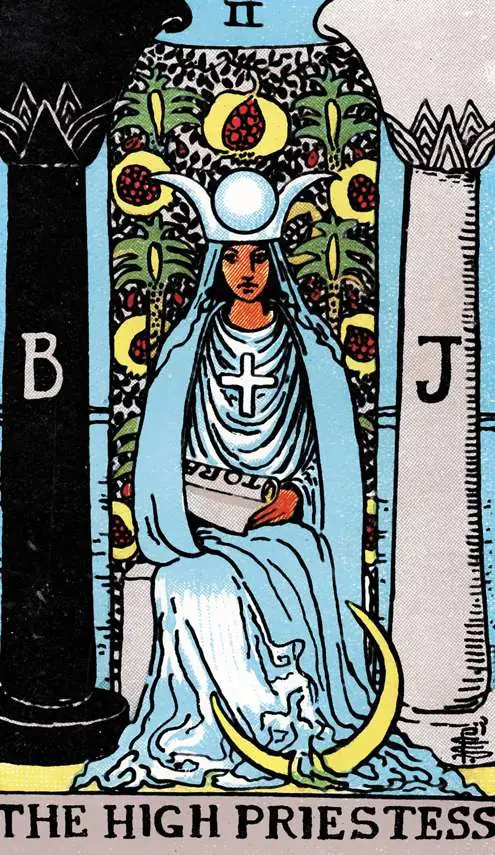
- The Major Arcana: 22 cards, from The Fool to The World. They describe life’s big lessons and turning points.
- The Minor Arcana: 56 cards in four suits that describe everyday life:
When a reading is full of Major Arcana cards, your question touches something significant. When it is mostly one suit, that suit’s theme is the heart of the matter.
2. Ask a good question
The quality of a reading depends on the question. Open questions work best:
- Instead of “Will I get the job?”, ask “What should I focus on to get this job?”
- Instead of “Does he love me?”, ask “What do I need to understand about this relationship?”
Open questions invite guidance you can act on. If you truly need a yes or no, use the Yes or No spread.
3. Choose a spread
A spread is the pattern you lay the cards out in, and each position has its own meaning:
- One card: a quick, focused answer or a daily intention.
- Past, Present, Future: three cards that show how a situation is unfolding.
- Celtic Cross: ten cards for an in-depth look at a complex situation.
Start small. A three-card spread is the perfect balance between depth and simplicity.
4. Read each card in its position
For each card, ask three questions:
- What does the card mean on its own? Look up its keywords in the card meanings.
- Is it upright or reversed? A reversed card usually means the same energy is blocked, delayed or turned inward, not simply “the opposite”.
- What does its position add? The Three of Cups in a “past” position speaks of celebrations behind you; in a “future” position it points to joy ahead.
5. Connect the cards into a story
The real skill of tarot is seeing how the cards relate. Notice:
- Repeated suits or numbers: several Cups point to emotions; several Aces point to new beginnings.
- Movement: does the story move from difficulty towards resolution, or the other way round?
- The advice: which card tells you what to do next?
6. Practise with a daily card
The fastest way to learn is to draw one card every morning, read its meaning and notice how it shows up during the day. Within a few weeks the cards will start to feel familiar.
Try it now
You do not need your own deck to start. Get a free AI tarot reading: ask your question, draw your cards and see how each card is interpreted in its position. It is a great way to learn how experienced readers connect the cards.